Gallbladder Surgery
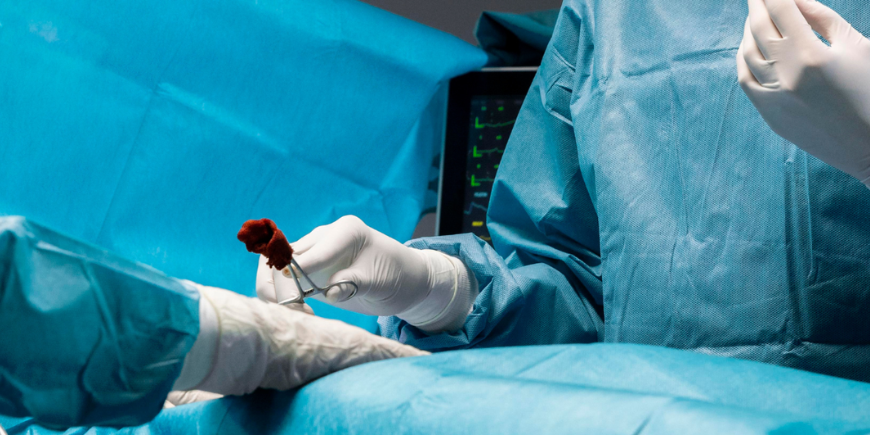
Gallbladder Surgeon in Chennai for Safe & Advanced Gallstone Treatment
Effective Relief from Gallbladder Pain with Modern Surgical Care
Gallbladder-related problems, especially gallstones, are among the most common digestive conditions I treat in my practice. Many patients initially notice mild symptoms, such as discomfort after meals, but over time, these symptoms can become more intense and affect daily life. As a Gallbladder Surgeon in Chennai, my approach is to identify the condition early and provide the most effective treatment to prevent complications.
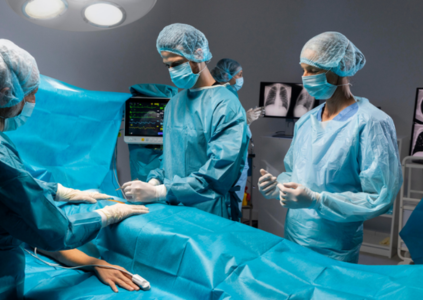
With current advancements in surgical care, gallbladder surgery has become safer, more precise, and less invasive. I use laparoscopic techniques that allow me to remove the gallbladder through small incisions, ensuring faster recovery and minimal discomfort. My goal is to provide complete relief from symptoms while helping patients return to normal life without long-term digestive issues.
What You Can Expect from My Approach
-
Detailed evaluation of symptoms and diagnosis
-
Clear explanation of treatment options
-
Use of minimally invasive laparoscopic surgery
-
Reduced pain and quicker recovery
-
Personalized care for each patient
-
Focus on long-term digestive health
Understanding Gallbladder Disease and Gallstone Formation
The gallbladder is a small organ that stores bile, which helps in digesting fats. When there is an imbalance in bile composition, substances can harden and form gallstones. These stones may remain silent in some cases, but when they block bile flow, they can cause severe pain and complications.
As a specialist in Gall Bladder Stones Treatment in Chennai, I carefully assess the condition to determine whether treatment is required. Not all gallstones need surgery, but when symptoms develop, surgical removal of the gallbladder is often the most effective and long-term solution.
Common Gallbladder Conditions I Treat
-
Gallstones (cholelithiasis)
-
Gallbladder inflammation (cholecystitis)
-
Bile duct obstruction
-
Infection in the gallbladder
-
Recurrent gallstone-related pain
-
Complicated gallbladder conditions
Symptoms That Indicate the Need for Gallstone Treatment
In my clinical experience, many patients mistake gallbladder symptoms for acidity or general digestive discomfort. However, gallstone-related pain has specific characteristics and should not be ignored. Early identification helps prevent complications and allows for timely treatment.
Symptoms often appear after meals, especially fatty foods, and can gradually worsen if left untreated. Recognizing these warning signs early can help avoid emergencies.
Warning Signs You Should Not Ignore
-
Severe pain in the upper right abdomen
-
Pain after consuming fatty meals
-
Nausea and vomiting
-
Bloating and indigestion
-
Sudden sharp abdominal pain episodes
-
Fever with abdominal discomfort
When I Recommend Gallbladder Surgery in Chennai
I usually recommend surgery when gallstones begin to cause symptoms or complications. Medication may provide temporary relief, but it does not permanently remove the stones. Surgical removal of the gallbladder is the most reliable way to prevent recurring pain and future complications.
As a Gallbladder Surgery specialist in Chennai, I ensure that patients understand their condition and the need for surgery before proceeding. My focus is always on recommending treatment at the right time for the best outcomes.
Situations Where Surgery Becomes Necessary
-
Recurrent gallstone pain
-
Gallbladder inflammation or infection
-
Blockage in bile ducts
-
Symptoms affecting daily activities
-
Risk of complications
-
Emergency gallbladder conditions
Causes and Risk Factors Behind Gallbladder Stones
Gallstones usually develop due to an imbalance in the substances that make up bile, such as cholesterol and bile salts. In my practice, I often see that lifestyle and dietary habits play a major role in the formation of gallstones. However, certain medical and genetic factors can also increase the risk.
Understanding these causes helps not only in treating the condition but also in preventing recurrence after surgery. I always guide patients on managing these risk factors as part of long-term care.
Common Causes I Identify in Patients
-
High cholesterol levels in bile
-
Poor dietary habits and high-fat intake
-
Obesity and sedentary lifestyle
-
Rapid weight loss
-
Hormonal changes
-
Family history of gallstones
Types of Gallbladder Surgery and its Performance
The primary treatment for symptomatic gallstones is surgical removal of the gallbladder, known as cholecystectomy. Based on the patient’s condition, I chose the most appropriate surgical method to ensure safety and effectiveness.
In most cases, laparoscopic surgery is preferred because it is minimally invasive and allows faster recovery. However, in complex situations, other surgical approaches may be considered.
Common Surgical Options
-
Laparoscopic cholecystectomy (keyhole surgery)
-
Open gallbladder surgery (in complex cases)
-
Emergency gallbladder removal
-
Surgery for bile duct complications
-
Management of infected gallbladder
-
Combined procedures, if required
Advanced Techniques in Gallbladder Surgery
Modern surgical advancements have significantly improved the safety and effectiveness of gallbladder surgery. In my practice, I use minimally invasive laparoscopic techniques that allow precise removal of the gallbladder with minimal discomfort to the patient.
These techniques reduce hospital stay and help patients recover faster compared to traditional surgery. They also lower the risk of complications and improve overall outcomes.
Benefits of Modern Surgical Techniques
-
Smaller incisions and minimal scarring
-
Reduced pain after surgery
-
Faster recovery time
-
Short hospital stay
-
Lower risk of infection
-
Improved surgical precision
Step-by-Step Treatment Process for Gallbladder Surgery
I believe that when patients understand the treatment process clearly, they feel more confident and prepared. My approach ensures that every step, from diagnosis to recovery, is carefully planned and explained.
Below is a simplified overview of how I manage gallbladder surgery cases in a structured and patient-focused way.
Treatment Process Overview
| Stage | What I Do | Patient Benefit |
|---|---|---|
| Initial Consultation | Evaluate symptoms and medical history | Clear understanding of condition |
| Diagnostic Tests | Ultrasound and required investigations | Accurate diagnosis |
| Treatment Planning | Decide surgical approach | Personalized care |
| Surgical Procedure | Perform laparoscopic surgery | Safe and effective treatment |
| Post-Surgery Care | Monitor recovery and manage symptoms | Faster healing |
| Follow-Up | Ensure long-term recovery | Prevent complications |
What Makes This Treatment Approach Effective
-
Structured and step-by-step care
-
Focus on safety and precision
-
Use of advanced diagnostic tools
-
Minimally invasive surgical methods
-
Continuous patient monitoring
-
Strong follow-up support
Recovery and Aftercare Following Gallbladder Surgery
Recovery after gallbladder surgery is usually smooth, especially with laparoscopic techniques. In my practice, most patients are able to return to normal activities within a short period. However, proper care during the recovery phase is essential to ensure complete healing and avoid complications.
I provide clear and personalized guidance to each patient based on their surgery and overall health. Following these instructions helps improve recovery speed and supports long-term digestive function.
Post-Surgery Care Guidelines
-
Take prescribed medications as advised
-
Follow a light and balanced diet initially
-
Avoid heavy lifting or strenuous activity
-
Maintain proper wound care and hygiene
-
Attend follow-up appointments regularly
-
Report any unusual symptoms immediately
Benefits of Timely Gallstone Treatment and Surgery
One of the most important factors in successful gallbladder treatment is early intervention. Patients who seek treatment at the right time often experience better outcomes and avoid complications such as infection or bile duct blockage.
Timely surgery not only relieves pain but also prevents recurrent episodes and emergency situations. In my experience, early treatment leads to smoother recovery and improved quality of life.
Advantages of Early Treatment
-
Prevents complications and infections
-
Reduces risk of emergency surgery
-
Enables minimally invasive procedures
-
Shortens recovery time
-
Provides long-term relief from symptoms
-
Improves overall digestive health
Safety, Risks, and Surgical Precision
While gallbladder surgery is generally safe, it is important for patients to understand the potential risks. I always ensure complete transparency by explaining possible complications and how they are managed.
With proper pre-surgical evaluation and modern surgical techniques, risks can be minimized effectively. My focus is always on ensuring patient safety and achieving the best possible outcomes.
Safety Measures I Follow
-
Detailed pre-operative evaluation
-
Use of advanced surgical equipment
-
Strict sterilization protocols
-
Continuous monitoring during surgery
-
Post-operative observation and care
-
Clear patient communication
Why My Approach Focuses on Safe and Effective Gallbladder Surgery
Over the years, I have seen how a well-planned and patient-centered approach can make a significant difference in surgical outcomes. My focus is not just on performing surgery, but on ensuring that each patient receives the right treatment at the right time.
As a Gallbladder Surgeon in Chennai, I combine clinical expertise with modern surgical techniques to deliver safe and effective care. I aim to help patients recover quickly and return to their normal lives without recurring issues.
What Makes My Approach Different
-
Personalized treatment planning
-
Minimally invasive surgical methods
-
Patient-focused communication
-
Evidence-based decision-making
-
Emphasis on long-term outcomes
-
Commitment to safety and care
Moving Forward with the Right Gallbladder Treatment for Lasting Relief
Gallbladder conditions can significantly affect daily comfort, especially when symptoms become frequent or severe. However, with timely diagnosis and the right surgical approach, these issues can be effectively treated. In my practice, I focus on ensuring that every patient understands their condition clearly and receives care that is both safe and outcome-driven.
Modern gallbladder surgery offers reliable and long-term relief, particularly when performed using minimally invasive techniques. As a Gallbladder Surgery specialist in Chennai, my goal is to help patients move forward with confidence, knowing they have received the right treatment for lasting digestive health.
What You Should Keep in Mind
-
Early treatment prevents complications
-
Accurate diagnosis ensures effective care
-
Minimally invasive surgery improves recovery
-
Proper aftercare supports healing
-
Follow-up helps maintain long-term health
-
Expert guidance leads to better outcomes
Book Your Consultation for Gallbladder Surgery
If you are experiencing symptoms related to gallstones or have been advised surgery, it is important to seek expert care at the right time. Early intervention can help prevent complications and ensure a smoother recovery.
I’m Dr. Karthikeyan Jayakumar, providing advanced gallbladder care at Hayagriva Hospital, Chennai. My approach is focused on precise diagnosis, safe surgical treatment, and long-term digestive wellness.
FAQs on Gallbladder Surgery
1. When should I consider gallbladder surgery in Chennai?
You should consider surgery if you experience recurrent gallstone pain, inflammation, or complications that do not improve with medication.
2. Is gallstone treatment possible without surgery?
In some cases, medication can manage symptoms temporarily, but surgery is the most effective way to permanently treat gallstones.
3. How long does gallbladder surgery take?
Laparoscopic gallbladder surgery typically takes about 30 minutes to 1 hour, depending on the condition.
4. What is the recovery time after gallbladder surgery?
Most patients recover within a few days to a couple of weeks, especially with minimally invasive techniques.
5. Can I live normally without a gallbladder?
Yes, the body can function normally without a gallbladder, and most patients return to regular activities without major dietary restrictions.