Swelling / Lump Removal
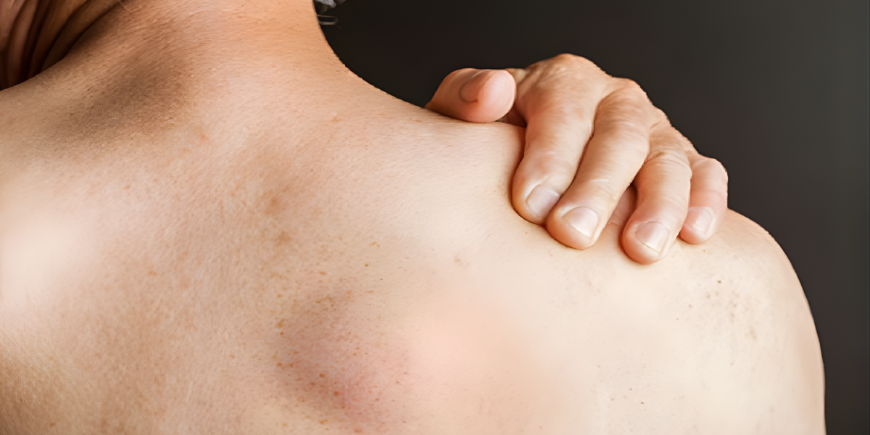
Lump /Lipoma Removal in Chennai for Complete Removal of Swellings
A Careful and Structured Approach to Evaluating and Treating Lumps
In my clinical practice, one of the most common concerns patients bring is the presence of a swelling or lump anywhere in the body. While many of these lumps are benign, such as lipomas or cysts, it is important not to ignore them without proper evaluation. As a Lipoma Removals Doctor in Chennai, my approach always begins with identifying the exact nature of the lump before deciding on the most appropriate treatment.
A lump can vary in size, texture, and cause, and not all swellings require immediate removal. However, when there is uncertainty, discomfort, or progressive growth, timely intervention becomes important. With modern surgical techniques, Lump Removal in Chennai can be performed safely with a focus on accurate diagnosis, complete removal, and minimal disruption to surrounding tissues.
What I Evaluate Before Recommending Removal
-
Type and consistency of the swelling
-
Location and depth within the tissue
-
Growth pattern over time
-
Presence of pain or discomfort
-
Possible underlying causes
-
Need for removal versus observation
Understanding Different Types of Swellings and Lumps
Not all lumps are the same, and identifying their type is essential before planning treatment. In my evaluation, I differentiate between common benign lumps such as lipomas, cysts, and fibrous growths, as well as conditions that may require closer investigation.
From a clinical standpoint, accurate diagnosis ensures that the correct treatment method is chosen. This avoids unnecessary procedures while ensuring that conditions requiring removal are addressed effectively.
Common Types of Lumps I Diagnose
-
Lipomas (fatty tissue growths)
-
Sebaceous cysts
-
Ganglion cyst
-
Fibrous or soft tissue lumps
-
Enlarged lymph nodes
-
Benign skin growths
-
Other localized swellings requiring evaluation
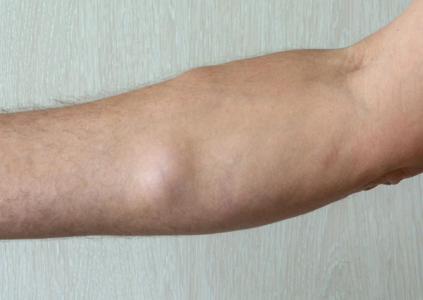
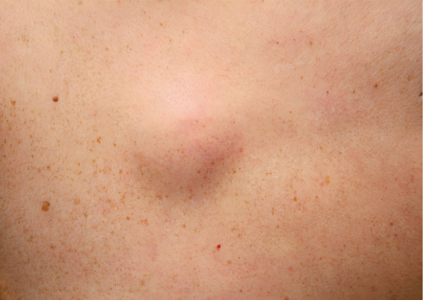
Sebaceous Cyst
Sebaceous cysts are non-cancerous lumps that develop under the skin due to blocked oil glands. They usually appear on the face, neck, back, or scalp and grow slowly over time. While most cysts are painless, they may become inflamed or infected, causing discomfort or swelling.
We evaluate sebaceous cysts based on size, symptoms, and location to decide the need for treatment. Safe removal is recommended when the cyst causes pain, infection, or cosmetic concern, ensuring complete removal and reduced chances of recurrence.
Key Points
-
Slow-growing, benign lump
-
Common on face, neck, and back
-
May become painful if infected
-
Can increase in size gradually
-
Treated with safe surgical removal
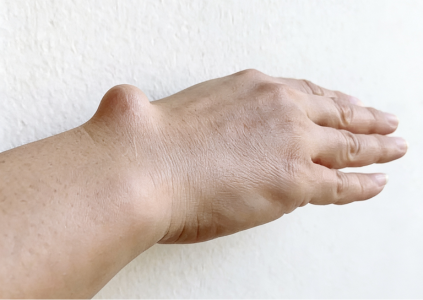
Ganglion Cyst
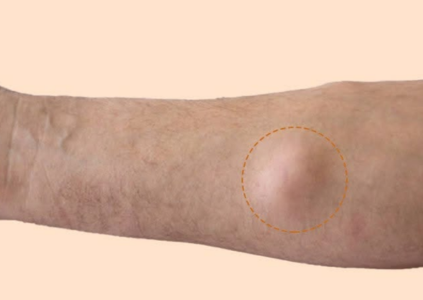
Ganglion cysts are fluid-filled swellings that commonly develop near joints or tendons, especially in the wrist or hand. They are non-cancerous and may vary in size, sometimes appearing suddenly or changing over time. These cysts may cause discomfort if they press on nearby nerves.
We assess ganglion cysts carefully to determine the appropriate treatment approach. While some cysts may resolve on their own, treatment may be advised if they cause pain, restrict movement, or recur frequently.
Key Points
-
Fluid-filled swelling near joints
-
Common in wrist and hand
-
Size may change over time
-
Can cause pain or stiffness
-
Managed with observation or removal
Early Changes That Should Prompt Medical Evaluation
Many patients tend to ignore lumps in the early stages, especially when they are painless. However, observing certain changes can help determine when medical evaluation is necessary. Early assessment ensures that the condition is identified correctly and managed at the right time.
In my approach, I advise patients to seek consultation when they notice any new or changing swelling, as this allows for timely diagnosis and effective management.
Signs That Should Not Be Ignored
-
Lump increasing in size gradually
-
Change in shape or texture
-
Discomfort or pressure in the area
-
Visible swelling in exposed areas
-
Lump becoming more noticeable over time
-
Concern regarding appearance or growth
When Lump Removal Becomes the Right Treatment Option
While some lumps can be monitored, there are clear situations where removal becomes necessary. In my clinical decision-making, I recommend removal when the lump causes discomfort, restricts movement, or raises concern about its nature.
As part of Lipoma Treatment in Chennai and general lump management, the focus is always on ensuring safe removal with minimal complications. The decision is guided by both medical need and patient comfort.
Situations Where Removal is Recommended
-
Rapid increase in size
-
Pain or discomfort in the area
-
Functional limitation due to location
-
Cosmetic concerns
-
Uncertain diagnosis requiring confirmation
-
Recurrent swelling after previous treatment
Matching the Type of Lump to the Right Removal Technique
Every lump requires a tailored approach based on its type, size, and depth. In my clinical evaluation, I do not treat all swellings the same way. A superficial lipoma may require a simple excision, while deeper or more complex lumps may need a more planned surgical approach.
This step is critical because choosing the correct removal technique ensures complete excision while minimizing tissue damage. It also plays a key role in preventing recurrence and achieving better cosmetic outcomes.
Factors That Determine the Removal Method
-
Type of lump (lipoma, cyst, or soft tissue growth)
-
Size and depth of the swelling
-
Location in the body
-
Relationship with surrounding tissues
-
Risk of recurrence
-
Patient comfort and expectations
Treatment Planning Based on Clinical Assessment
Effective lump removal begins with proper planning rather than immediate intervention. I take time to evaluate whether removal is necessary and what approach will provide the best results. In some cases, observation is sufficient, while in others, surgical removal becomes the most appropriate choice.
As part of a Lumpectomy Hospital in Chennai, the focus is always on ensuring that treatment is both medically appropriate and aligned with patient expectations. This helps in achieving better outcomes and avoiding unnecessary procedures.
Treatment Options I Consider
-
Observation for stable and harmless lumps
-
Surgical excision for complete removal
-
Minimally invasive removal techniques
-
Lipoma removal procedures for fatty lumps
-
Cyst removal with proper closure
-
Combined approaches for complex cases
Modern Surgical Techniques for Safe and Precise Removal
Advancements in surgical methods have significantly improved the safety and effectiveness of lump removal. Procedures are now performed with greater precision, allowing for complete removal while preserving surrounding tissues.
In my practice, I use refined surgical techniques that focus on minimizing scarring and ensuring faster healing. These approaches are particularly beneficial for lumps located in visible areas where cosmetic outcomes are important.
Benefits of Advanced Lump Removal Techniques
-
Precise removal with minimal tissue damage
-
Reduced scarring and better cosmetic results
-
Faster recovery time
-
Lower risk of complications
-
Short and efficient procedures
-
Improved long-term outcomes
Step-by-Step Clinical Process for Lump Removal
A structured treatment pathway helps patients understand the procedure and feel confident about the process. I follow a systematic approach that ensures accurate diagnosis, proper planning, and effective removal.
Each stage is designed to maintain safety, clarity, and long-term success.
Treatment Process Overview
| Stage | What I Do | Patient Benefit |
|---|---|---|
| Initial Consultation | Evaluate lump and symptoms | Clear understanding of condition |
| Clinical Assessment | Confirm diagnosis and type of lump | Accurate identification |
| Treatment Planning | Decide observation or removal | Personalized care |
| Procedure | Perform precise surgical removal | Complete excision |
| Recovery Care | Guide healing and wound care | Smooth recovery |
| Follow-Up | Monitor healing and prevent recurrence | Long-term results |
What Makes This Approach Effective
-
Accurate diagnosis before treatment
-
Personalized decision-making
-
Use of precise surgical techniques
-
Focus on both function and appearance
-
Continuous monitoring during recovery
-
Strong emphasis on preventing recurrence
Recovery Pattern and Healing After Lump Removal
Recovery after lump removal depends on the size, depth, and location of the swelling, as well as the technique used for removal. In most cases, patients experience mild discomfort initially, which gradually reduces as healing progresses. With proper care, the treated area heals efficiently without complications.
In my approach, I guide patients on how to manage the surgical site, reduce strain, and support tissue healing. The focus is always on ensuring smooth recovery while maintaining both functional comfort and cosmetic appearance.
Recovery Practices I Recommend
-
Keep the surgical area clean and protected
-
Follow prescribed medications regularly
-
Avoid pressure on the treated area
-
Limit strenuous activity during early recovery
-
Monitor for swelling or discomfort
-
Attend follow-up visits for proper assessment
Why Early Removal Can Improve Treatment Outcomes
Many patients delay removal of lumps until they grow larger or start causing discomfort. However, from a clinical perspective, early removal often simplifies the procedure and improves outcomes. Smaller lumps are easier to remove and usually require less extensive intervention.
Early treatment also reduces the risk of complications and improves cosmetic results, especially when the lump is located in visible areas. Addressing the condition at the right time ensures a smoother overall treatment experience.
Advantages of Early Lump Removal
-
Simpler and more efficient procedure
-
Reduced surgical complexity
-
Faster healing and recovery
-
Minimal tissue involvement
-
Better cosmetic outcomes
-
Lower likelihood of recurrence
How I Decide the Right Treatment Approach for Each Lump
Not every lump requires immediate removal, and careful evaluation is essential before recommending treatment. I assess the nature of the swelling, its behavior over time, and its impact on the patient before making a decision.
This decision-making process ensures that treatment is both necessary and beneficial. When removal is recommended, it is planned in a way that ensures complete excision and minimal complications.
Factors That Guide My Clinical Decision
-
Type and nature of the lump
-
Size and growth rate
-
Location and depth
-
Presence of symptoms
-
Cosmetic concerns
-
Patient expectations and comfort
Ensuring Precision and Safety in Lump Removal Procedures
Precision is essential in lump removal to ensure that the entire swelling is removed without affecting surrounding tissues. My approach focuses on careful planning and execution, ensuring that the procedure is both safe and effective.
With modern surgical techniques and proper follow-up care, the risk of complications can be minimized significantly. Patient guidance throughout the process also plays a key role in achieving successful outcomes.
Safety Measures I Follow
-
Detailed pre-procedure evaluation
-
Accurate identification of lump boundaries
-
Use of precise surgical techniques
-
Strict hygiene and sterilization standards
-
Monitoring during and after the procedure
-
Structured follow-up care
Moving Forward with the Right Care for Safe and Complete Lump Removal
A swelling or lump may seem minor at first, but understanding its nature is important for long-term health and peace of mind. With proper clinical evaluation and a well-planned approach, most lumps can be managed safely and effectively. In my practice, I focus on ensuring that each patient receives clear guidance, accurate diagnosis, and treatment that is tailored to their specific condition.
Modern surgical techniques allow for precise removal with minimal discomfort and better cosmetic outcomes. As a specialist providing Lump Removal in Chennai, my goal is to help patients achieve complete resolution of the condition while maintaining comfort and confidence in their daily life.
What You Should Keep in Mind
-
Early evaluation helps in accurate diagnosis
-
Proper treatment ensures complete removal
-
Modern techniques improve recovery experience
-
Aftercare supports effective healing
-
Follow-up helps prevent recurrence
-
Expert care ensures safe outcomes
Book Your Consultation for Lump Removal
If you have noticed a swelling or lump anywhere in your body, it is important to get it evaluated early. Proper diagnosis helps determine whether treatment is required and ensures safe management.
I'm Dr. Karthikeyan Jayakumar, providing advanced lump removal services at Hayagriva Hospital, Chennai. My approach focuses on accurate diagnosis, precise removal, and long-term patient care.
FAQs on Lump Removal
1. When should I consider lump removal in Chennai?
You should consider removal if the lump is growing, causing discomfort, affecting movement, or creating concern about its nature.
2. Are all lumps dangerous?
No, many lumps are benign, but proper evaluation is important to confirm the diagnosis and decide on treatment.
3. Is lump removal a major procedure?
Most lump removals are minor procedures performed with precision and minimal recovery time.
4. How long does recovery take after lump removal?
Recovery usually takes a few days to a couple of weeks, depending on the size and location of the lump.
5. Can lumps come back after removal?
Recurrence is uncommon if the lump is completely removed, but follow-up care helps ensure long-term results.