Salivary Gland and Parotid Tumor
Salivary Gland Tumor / Parotid Tumor Treatment in Chennai
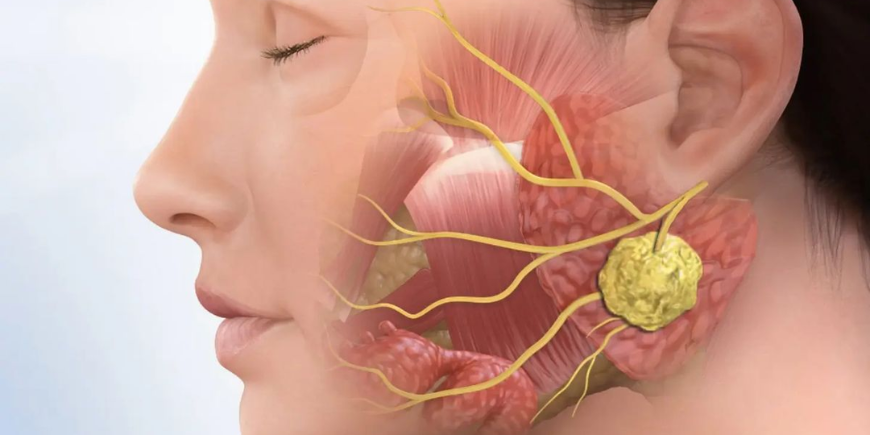
Salivary gland tumors, including parotid tumors, are abnormal growths that occur in the glands responsible for producing saliva. We provide evaluation and treatment for these conditions in Chennai using a structured and patient-focused approach. Early diagnosis plays an important role in identifying whether the tumor is benign or malignant and planning appropriate treatment.
We focus on accurate assessment and safe surgical management to ensure effective outcomes. With careful planning and modern surgical techniques, treatment is aimed at preserving function while removing the tumor completely and supporting smooth recovery.
Key Highlights
Early Diagnosis: Helps in better treatment planning
Accurate Evaluation: Determines tumor type
Safe Surgical Care: Focus on precision
Function Preservation: Protecting surrounding structures
Recovery Support: Guided post-treatment care
What is a Salivary Gland Tumor?
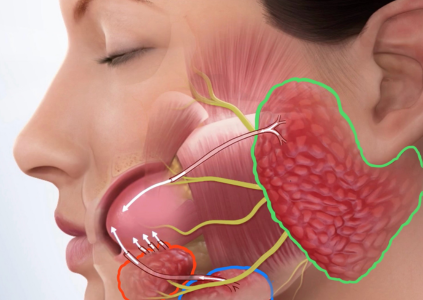
A salivary gland tumor is a growth that develops in one of the glands that produce saliva. These tumors can occur in major glands such as the parotid, submandibular, or sublingual glands. Most salivary gland tumors are benign, but some may be malignant and require careful evaluation and treatment.
We help patients understand the nature of the condition and guide them through the diagnostic process. Identifying the type of tumor is essential for selecting the most appropriate treatment and ensuring effective management.
Key Points
Abnormal Growth: Develops in salivary glands
Benign or Malignant: Requires proper diagnosis
Common Location: Often in parotid gland
Variable Size: May grow gradually
Treatable Condition: Managed with proper care
What is a Parotid Tumor?
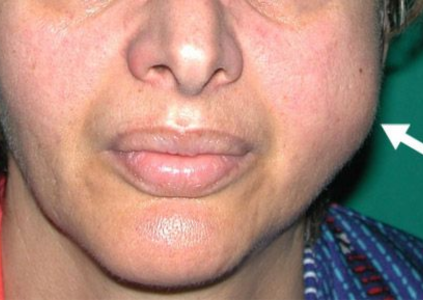
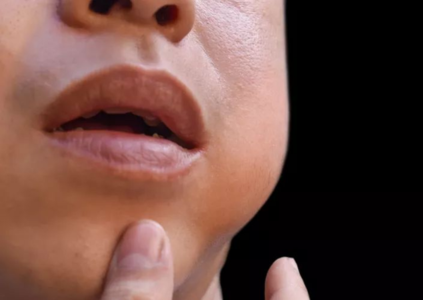
A parotid tumor specifically occurs in the parotid gland, which is the largest salivary gland located near the jaw and in front of the ear. These tumors often present as a painless swelling in the cheek or jaw area and may increase in size over time.
We evaluate parotid tumors carefully due to their proximity to important structures such as facial nerves. Treatment is planned to remove the tumor while preserving nerve function and maintaining facial movement.
Key Features
Location: Near ear and jaw area
Painless Swelling: Common initial sign
Slow Growth: Gradual increase in size
Facial Nerve Proximity: Requires careful surgery
Early Treatment: Helps prevent complications
Symptoms of Salivary Gland Tumor
Symptoms of salivary gland tumors can vary depending on the size and location of the tumor. The most common symptom is a swelling near the jaw, cheek, or neck. In some cases, patients may also experience pain, difficulty in swallowing, or changes in facial movement.
We encourage early evaluation when symptoms are noticed, as timely diagnosis helps in effective treatment. Recognizing these signs allows for better management and reduces the risk of complications.
Common Symptoms
Swelling: Lump near jaw or ear
Pain: Discomfort in affected area
Facial Weakness: Rare but possible sign
Difficulty Swallowing: In advanced cases
Gradual Growth: Increase in size over time
Early Warning Signs
In the early stages, salivary gland tumors may present as a small, painless lump that is often ignored. These early signs may not cause discomfort initially but can gradually become more noticeable over time.
We emphasize the importance of recognizing these early warning signs for timely evaluation. Early detection helps in simpler treatment and improves overall outcomes.
Early Indicators
Small Lump: Near jaw or ear
No Pain Initially: Often unnoticed
Slow Enlargement: Gradual growth
Mild Discomfort: Occasional sensation
Change Over Time: Increasing visibility
Causes of Salivary Gland Tumors
The exact cause of salivary gland tumors is not always clear, but they are generally linked to abnormal cell growth within the glands. Genetic changes in cells can lead to uncontrolled growth, forming a tumor over time. Environmental factors and prior radiation exposure may also play a role in some cases.
We focus on identifying possible contributing factors during evaluation to better understand the condition. While not all causes can be prevented, awareness helps in early detection and timely management.
Common Causes
Cellular Changes: Abnormal growth of gland cells
Genetic Factors: Changes in DNA
Radiation Exposure: Past medical radiation
Environmental Factors: External influences
Unknown Causes: Often no clear reason
Risk Factors
Certain factors may increase the likelihood of developing salivary gland tumors. These include age, exposure to radiation, and lifestyle-related factors. Although these tumors are relatively uncommon, understanding risk factors helps in early detection.
We assess individual risk factors as part of the evaluation process. Identifying these risks helps in planning further investigations and guiding preventive awareness.
Key Risk Factors
Age Factor: More common in older adults
Radiation Exposure: Previous treatments
Tobacco Use: Possible contributing factor
Occupational Exposure: Industrial chemicals
Family History: Genetic predisposition
When to See a Doctor
A swelling near the jaw, ear, or neck that does not go away should be evaluated by a doctor. Early consultation is important, especially if the lump increases in size or is associated with pain or facial weakness.
We recommend seeking medical advice as soon as symptoms are noticed. Early evaluation allows for accurate diagnosis and timely treatment, reducing the risk of complications.
When to Consult
Persistent Swelling: Lump that does not reduce
Increasing Size: Growth over time
Pain or Discomfort: In affected area
Facial Weakness: Difficulty in movement
Difficulty Swallowing: In advanced cases
Diagnosis of Salivary Gland Tumors
Diagnosis of salivary gland tumors involves a combination of physical examination and imaging tests. Ultrasound, CT scan, or MRI may be used to assess the size and location of the tumor. A biopsy or fine needle aspiration may be performed to determine whether the tumor is benign or malignant.
We use appropriate diagnostic methods to ensure accurate evaluation of the condition. Proper diagnosis is essential for planning the right treatment approach and achieving effective outcomes.
Diagnostic Methods
Physical Examination: Initial assessment
Ultrasound Scan: First-line imaging
CT/MRI Scan: Detailed evaluation
FNAC/Biopsy:: Determines tumor type
Medical History: Understanding symptoms
Is a Parotid Tumor Dangerous?
Most parotid tumors are benign, but some can be malignant and require prompt treatment. Even benign tumors can grow in size and affect nearby structures, including facial nerves, if left untreated. Early evaluation helps in determining the nature of the tumor and planning appropriate care.
We emphasize timely diagnosis and treatment to prevent complications. Managing the condition at the right stage helps ensure safer procedures and better outcomes.
Possible Concerns
Tumor Growth: Increase in size over time
Facial Nerve Impact: Risk in advanced cases
Malignancy Risk: Some tumors may be cancerous
Functional Issues: Affect speech or swallowing
Need for Treatment: Early care improves outcomes
Treatment Options for Salivary Gland Tumors
Treatment for salivary gland tumors depends on the type, size, and location of the tumor, as well as whether it is benign or malignant. Surgical removal is the most common and effective treatment, especially for parotid tumors. In certain cases, additional therapies may be considered based on the diagnosis.
We evaluate each case carefully to determine the most suitable treatment plan. The goal is to remove the tumor completely while preserving surrounding structures and maintaining function.
Treatment Options
Surgical Removal: Primary and effective method
Observation: For selected benign cases
Radiation Therapy: In specific conditions
Combined Approach:: Based on tumor type
Personalized Plan: Tailored to patient needs
Types of Parotid Surgery
Parotid surgery involves removing part or all of the parotid gland depending on the extent of the tumor. The procedure is carefully planned to ensure complete tumor removal while protecting important structures such as facial nerves.
We perform different types of parotid surgeries based on the diagnosis and severity. The approach is chosen to achieve safe removal with minimal impact on facial function.
Surgical Types
Superficial Parotidectomy: Removal of outer gland portion
Total Parotidectomy: Complete gland removal
Partial Removal: Based on tumor location
Nerve-Sparing Technique: Protect facial nerve
Reconstructive Care: When required
Open vs Minimally Invasive Surgery
Parotid tumors are usually treated with open surgery due to the need for careful access to the gland and surrounding structures. Minimally invasive approaches may be used in selected cases, depending on the size and location of the tumor.
We assess each patient individually to determine the most appropriate surgical method. The focus is on ensuring complete tumor removal while maintaining safety and function.
Key Differences
Access Area: Open surgery provides better visibility
Precision Needs: High in parotid procedures
Incision Type: Larger vs smaller cuts
Recovery Time: Varies based on approach
Safety Priority: Focus on nerve protection
Treatment Approach
The treatment approach for salivary gland tumors involves a structured process from diagnosis to recovery. Each stage is carefully planned to ensure safety, accuracy, and effective outcomes. Proper evaluation plays a key role in determining the best surgical method.
We guide patients through every step of the treatment journey, ensuring clarity and confidence. From initial consultation to follow-up care, the focus remains on patient safety and successful recovery.
Treatment Steps
Assessment: Detailed evaluation of condition
Diagnosis: Identifying tumor type
Planning: Selecting suitable surgery
Procedure: Safe tumor removal
Follow-Up: Monitoring recovery
What Happens During Surgery
During parotid surgery, the tumor is carefully removed while preserving surrounding tissues, especially the facial nerve. The procedure is performed under anesthesia, and special care is taken to ensure precision and safety throughout the operation.
We perform surgery with a focus on accuracy and minimal complications. Patients are guided beforehand so they understand the process and feel prepared for the procedure.
Procedure Overview
Anesthesia Used: Ensures patient comfort
Careful Incision: Access to gland area
Tumor Removal: Complete excision
Nerve Protection: Preserve facial movement
Closure: Proper healing support
Preparation Before Surgery
Preparing for salivary gland or parotid tumor surgery is important to ensure a safe procedure and smooth recovery. Patients may be advised to undergo imaging, blood tests, and other evaluations before surgery. Proper preparation helps in reducing risks and improving surgical outcomes.
We guide patients through every step of the preparation process, ensuring they understand instructions related to diet, medications, and general health. This helps patients feel confident and ready for the procedure.
Pre-Surgery Guidelines
Medical Tests: Blood tests and imaging scans
Fasting: Avoid food before surgery as advised
Medication Review: Adjust current medications
Lifestyle Preparation: Avoid smoking and alcohol
Pre-Surgery Consultation: Clarify all concerns
Recovery After Parotid Surgery
Recovery after parotid surgery varies depending on the type of procedure and individual health. Most patients may experience mild discomfort initially, which gradually improves with proper care. Healing typically progresses over a few weeks.
We provide clear recovery guidance to support patients during this phase. Regular follow-up helps ensure proper healing and early identification of any concerns.
Recovery Highlights
Initial Rest: Required in first few days
Pain Management:: Controlled with medication
Gradual Healing: Improvement over time
Return to Routine: Based on recovery progress
Follow-Up Visits: Monitor healing
Post-Surgery Care
Post-operative care is essential to ensure proper healing and prevent complications. Patients are advised to follow instructions related to wound care, medication, and activity restrictions. Proper care supports better recovery outcomes.
We support patients throughout the recovery period with clear instructions and regular monitoring. Following these guidelines helps in achieving smooth and safe healing.
Care Guidelines
Wound Care: Keep surgical area clean
Medication Use Follow prescribed treatment
Avoid Strain: Limit physical activity
Healthy Diet: Support recovery process
Regular Checkups: Ensure proper healing
Risks and Complications
Parotid surgery is generally safe when performed with proper planning and expertise. However, like any surgical procedure, it may carry certain risks such as infection, bleeding, or temporary weakness in facial muscles.
We take all necessary precautions to minimize these risks and ensure patient safety. Careful surgical technique and monitoring help reduce complications and improve outcomes.
Possible Risks
Infection: Managed with proper care
Bleeding: Controlled during procedure
Facial Weakness: Usually temporary
Swelling: Common during recovery
Rare Complications: Managed with follow-up
Can Parotid Tumors Come Back?
The recurrence of parotid tumors depends on the type of tumor and completeness of removal. Benign tumors have a lower risk of recurrence, while malignant tumors require closer monitoring after treatment. Regular follow-up plays an important role in early detection of recurrence.
We emphasize long-term follow-up care to monitor recovery and detect any changes early. Proper treatment and monitoring help reduce the chances of recurrence and support better outcomes.
Recurrence Factors
Tumor Type: Benign vs malignant
Complete Removal: Reduces recurrence risk
Follow-Up Care: Essential for monitoring
Early Detection: Identifies recurrence early
Long-Term Care: Supports better outcomes
Why Choose Dr. Karthikeyan Jayakumar
Skilled in advanced surgical procedures
Focus on precision and safe outcomes
Patient-first approach with clear guidance
Experience in minimally invasive techniques
Comprehensive care from diagnosis to recovery
Emphasis on comfort and faster healing
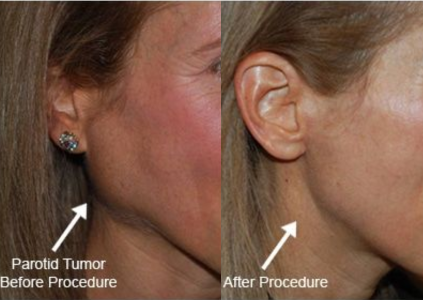
Parotid Tumor Surgery: Before vs After Treatment
| Aspect | Before Treatment | After Treatment |
|---|---|---|
| Swelling | Visible lump near jaw/ear | Swelling removed |
| Pain/Discomfort | May increase over time | Reduced or relieved |
| Facial Function | May be affected in advanced cases | Preserved with proper care |
| Daily Activities | Limited due to symptoms | Gradual return to normal routine |
| Risk of Complications | Higher if untreated | Reduced with timely surgery |
| Quality of Life | Affected by symptoms | Improved comfort and confidence |
| Monitoring Need | Uncertain progression | Regular follow-up ensures safety |
Conclusion
Salivary gland and parotid tumors require timely evaluation to ensure accurate diagnosis and effective treatment. We focus on careful planning and safe surgical techniques to remove the tumor while preserving important functions such as facial movement. Early intervention plays a key role in preventing complications and improving long-term outcomes.
We aim to provide clear guidance and support throughout the treatment journey, helping you understand your condition and make informed decisions. With the right approach and follow-up care, it is possible to achieve a smooth recovery and improved quality of life.
FAQs
1. What is a parotid tumor?
A parotid tumor is an abnormal growth that develops in the parotid gland, located near the jaw and in front of the ear. Most tumors are benign, but proper evaluation is important to determine the exact type and treatment needed.
2. What are the symptoms of a salivary gland tumor?
Common symptoms include a swelling near the jaw or ear, facial discomfort, difficulty swallowing, or changes in facial movement. Early evaluation helps in accurate diagnosis and timely treatment.
3. Is parotid tumor surgery safe?
Parotid surgery is generally safe when performed with careful planning and modern surgical techniques. We focus on precise tumor removal while preserving important structures such as the facial nerve.
4. Can a parotid tumor be cancerous?
Yes, some parotid tumors can be malignant, although many are benign. Diagnostic tests such as imaging and biopsy help determine the nature of the tumor and guide treatment.
5. How long does recovery take after parotid surgery?
Recovery time varies depending on the type of surgery and overall health. Most patients gradually return to normal activities within a few weeks with proper care and follow-up.