Cancer Surgery
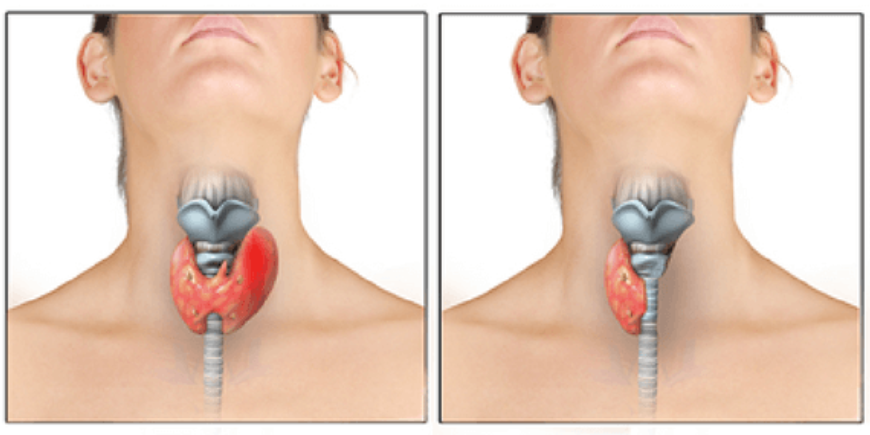
Cancer Surgery in Chennai
Cancer surgery plays an important role in the treatment and management of many types of cancer. Dr. Karthikeyan Jayakumar provides cancer surgery in Chennai with a focus on accurate diagnosis, safe surgical care, and patient-centered treatment planning. Early evaluation and timely intervention can improve treatment outcomes and support better recovery.
We focus on using structured treatment approaches and modern surgical techniques to remove cancerous growths while preserving surrounding healthy tissues whenever possible. Every treatment plan is designed based on the type, stage, and overall condition of the patient.
Key Highlights
Early Diagnosis: Supports timely treatment
Advanced Surgical Care: Focus on precision
Personalized Treatment: Based on individual condition
Patient-Centered Approach: Clear guidance and support
Recovery Focus: Structured follow-up care
What is Cancer Surgery?
Cancer surgery is a procedure performed to remove cancerous tissue from the body. Depending on the type and stage of cancer, surgery may be used to remove tumors completely, reduce tumor size, or help in diagnosis and staging. It is often combined with other treatments such as chemotherapy or radiation therapy when required.
We evaluate each case carefully to determine whether surgery is the most suitable option. Proper planning helps ensure safe treatment while aiming for effective disease control and improved quality of life.
Key Points
Tumor Removal: Removes cancerous tissue
Diagnostic Purpose: Helps confirm cancer type
Staging Role: Determines spread of disease
Combined Treatment: May work with other therapies
Personalized Care: Planned for each patient
Types of Cancer Surgery
Different types of cancer surgery are performed depending on the location and stage of cancer. Some procedures aim to remove the entire tumor, while others may focus on reducing symptoms or improving quality of life. Minimally invasive techniques may also be used in selected cases.
We choose the surgical approach based on careful evaluation and treatment goals. The focus is on safe removal of affected tissue while minimizing complications and supporting recovery.
Common Surgical Types
Curative Surgery: Removes the cancer completely
Diagnostic Surgery: Helps confirm diagnosis
Preventive Surgery: Reduces future cancer risk
Palliative Surgery: Relieves symptoms
Reconstructive Surgery: Restores appearance or function
Conditions Treated with Cancer Surgery
Cancer surgery may be used to treat different types of cancers affecting various organs and tissues. Surgical treatment is commonly recommended when the tumor is localized and can be safely removed.
We provide evaluation and surgical management for selected cancer conditions based on the patient's diagnosis and treatment needs. A multidisciplinary approach may also be considered when necessary.
Common Conditions
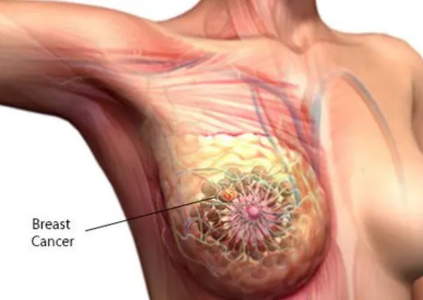
Breast Cancer: Surgical tumor removal
Thyroid Cancer: Gland-related procedures
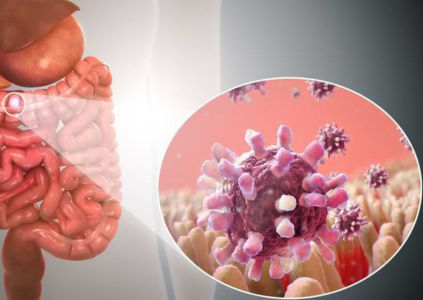
Gastrointestinal Cancers: Digestive tract conditions
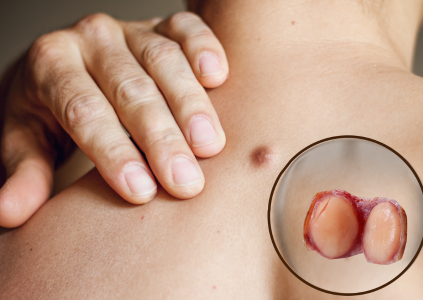
Skin and Soft Tissue Tumors: Surface growth removal
Head and Neck Tumors: Specialized surgical care
Symptoms That May Require Evaluation
Certain symptoms may indicate the need for further medical evaluation to rule out cancer or other serious conditions. Persistent symptoms that do not improve over time should not be ignored. Early recognition and diagnosis can support more effective treatment outcomes.
We encourage timely consultation when symptoms are persistent or unusual. Proper evaluation helps identify the underlying condition and allows for appropriate treatment planning.
Warning Symptoms
Unexplained Lump: Persistent swelling or growth
Unusual Bleeding: Abnormal discharge or bleeding
Weight Loss: Unintentional reduction in weight
Persistent Pain: Ongoing discomfort
Difficulty Swallowing: Changes in normal function
Early Warning Signs of Cancer
Cancer may develop gradually, and early warning signs are often mild or overlooked. Symptoms such as unexplained weight loss, persistent fatigue, changes in appetite, or unusual lumps should be evaluated promptly. Early identification plays an important role in improving treatment outcomes and reducing complications.
We emphasize the importance of recognizing these warning signs and seeking timely medical attention. Early diagnosis allows for better treatment planning and increases the chances of effective management.
Early Indicators
Persistent Fatigue: Ongoing tiredness without clear cause
Unexplained Weight Loss: Sudden reduction in body weight
Changes in Appetite: Loss of interest in food
Abnormal Lump: Swelling or growth in body
Persistent Symptoms: Symptoms lasting for weeks
Causes and Risk Factors
Cancer can develop due to a combination of genetic, environmental, and lifestyle-related factors. Smoking, alcohol use, poor dietary habits, exposure to harmful chemicals, and family history are some of the commonly associated risk factors. In some cases, the exact cause may not be clearly identified.
We evaluate individual risk factors carefully as part of the diagnostic process. Understanding these risks helps in early detection, preventive awareness, and timely treatment planning.
Key Risk Factors
Smoking: Major cause of many cancers
Alcohol Consumption: Increases certain cancer risks
Family History: Genetic predisposition
Poor Lifestyle Habits: Unhealthy diet and inactivity
Chemical Exposure: Occupational or environmental factors
When to See a Doctor
Persistent symptoms such as unexplained pain, lumps, bleeding, or sudden health changes should not be ignored. Consulting a doctor at the right time helps in identifying the condition early and planning appropriate treatment before complications develop.
We encourage timely medical evaluation whenever symptoms continue or worsen. Early consultation can make a significant difference in diagnosis, treatment outcomes, and recovery.
When to Consult
Persistent Lump: Swelling that does not disappear
Ongoing Pain: Unexplained discomfort
Abnormal Bleeding: Unusual bleeding or discharge
Difficulty Swallowing: Persistent swallowing issues
Sudden Weight Loss: Unintentional body weight reduction
Diagnosis and Cancer Evaluation
Cancer diagnosis involves a detailed evaluation that may include physical examination, imaging tests, blood investigations, and biopsy procedures. Accurate diagnosis helps determine the type, stage, and spread of cancer, which is essential for planning treatment.
We use appropriate diagnostic methods to ensure thorough evaluation and accurate treatment planning. A structured diagnostic approach helps in selecting the most suitable treatment strategy for each patient.
Diagnostic Methods
Physical Examination: Initial clinical assessment
Imaging Tests: CT, MRI, or ultrasound scans
Blood Tests: Evaluate overall health condition
Biopsy: Confirms cancer diagnosis
Staging Evaluation: Determines extent of disease
Stages of Cancer
Cancer staging describes how far the disease has spread within the body. Staging helps doctors understand the severity of the condition and choose the most appropriate treatment approach. Early-stage cancers are often easier to treat compared to advanced stages.
We assess cancer stage carefully through imaging and diagnostic evaluation before planning treatment. Proper staging plays an important role in improving treatment accuracy and recovery outcomes.
Cancer Stages
Stage 0: Very early abnormal changes
Stage 1: Small localized tumor
Stage 2: Limited local spread
Stage 3: Advanced regional spread
Stage 4: Spread to distant organs
Treatment Options for Cancer
Cancer treatment depends on the type, stage, and location of the disease, as well as the overall health of the patient. Surgery is one of the most common treatment methods, especially when the cancer is localized and can be removed safely. In some cases, additional treatments such as chemotherapy or radiation therapy may also be recommended.
Dr. Karthikeyan Jayakumar focuses on structured treatment planning to ensure safe and effective care. Every treatment approach is carefully planned to improve outcomes while maintaining patient comfort and recovery support.
Treatment Options
Cancer Surgery: Removal of cancerous tissue
Chemotherapy: Drug-based cancer treatment
Radiation Therapy: Targeted cancer control
Combined Treatment: Multi-specialty approach
Personalized Care: Tailored treatment planning
Role of Surgery in Cancer Treatment
Surgery plays a major role in removing tumors and controlling the spread of cancer. In many cases, surgical treatment can help eliminate the disease completely, especially when diagnosed at an early stage. Surgery may also be used to reduce symptoms and improve quality of life.
We focus on performing cancer surgery with precision and careful planning to achieve effective outcomes. The approach is designed to remove affected tissue while preserving as much healthy structure and function as possible.
Importance of Surgery
Tumor Removal: Eliminates cancerous growth
Disease Control: Helps prevent spread
Early Treatment Benefit: Better recovery outcomes
Symptom Relief: Reduces pain and discomfort
Improved Quality of Life: Supports long-term health
Minimally Invasive Cancer Surgery
Minimally invasive cancer surgery uses advanced techniques such as laparoscopic or robotic-assisted procedures to treat selected cancers through smaller incisions. These methods are designed to reduce tissue damage and support faster recovery.
We evaluate whether minimally invasive surgery is suitable based on the type and stage of cancer. This approach may help reduce pain, shorten hospital stay, and improve overall recovery in selected patients.
Key Benefits
Smaller Incisions: Minimal surgical cuts
Reduced Pain: Less post-operative discomfort
Faster Recovery: Quicker return to routine
Minimal Scarring: Better cosmetic outcome
Short Hospital Stay: Faster discharge
Treatment Planning Approach
Cancer treatment requires careful planning based on diagnosis, stage, and patient health condition. A structured approach helps ensure that every stage of treatment is carried out safely and effectively.
We focus on personalized treatment planning to provide clear guidance and coordinated care throughout the treatment journey. Proper planning supports better outcomes and smoother recovery.
Treatment Steps
Detailed Evaluation: Understanding patient condition
Accurate Diagnosis: Confirming cancer type
Stage Assessment: Identifying disease spread
Personalized Planning: Tailored treatment approach
Recovery Support: Follow-up and monitoring
What Happens During Cancer Surgery
During cancer surgery, the affected tissue or tumor is carefully removed while preserving surrounding healthy structures whenever possible. The procedure is performed under anesthesia, and the surgical method depends on the type and location of the cancer.
We ensure that every procedure is carried out with precision, safety, and careful monitoring. Patients are guided through the process beforehand so they understand the treatment and recovery expectations clearly.
Procedure Overview
Anesthesia Used: Ensures patient comfort
Tumor Removal: Targeted surgical treatment
Precision Technique: Protect surrounding tissue
Careful Monitoring: Safety throughout procedure
Structured Recovery: Post-surgery support plan
Recovery After Cancer Surgery
Recovery after cancer surgery varies depending on the procedure and the overall health condition of the patient. Most patients require proper rest, nutrition, and follow-up care to support healing and regain strength gradually.
We provide structured recovery guidance and regular monitoring after surgery. Proper follow-up care helps reduce complications and supports smoother healing and long-term recovery.
Recovery Support
Pain Management: Controlled post-surgical care
Gradual Healing: Recovery over time
Nutritional Support: Balanced diet guidance
Follow-Up Visits: Monitor healing progress
Lifestyle Guidance: Support healthy recovery
Risks and Complications of Cancer Surgery
| Risk Factor | Description |
|---|---|
| Infection | Managed with proper post-surgical care and medication |
| Bleeding | Carefully controlled during and after surgery |
| Anesthesia Risks | Evaluated and monitored before the procedure |
| Delayed Healing | Recovery may take longer in some patients |
| Recurrence Risk | Requires regular follow-up and monitoring |
Importance of Follow-Up Care
Follow-up care after cancer treatment is important for monitoring recovery and identifying any signs of recurrence at an early stage. Regular reviews also help in managing long-term health and recovery concerns.
We emphasize continued follow-up and patient support after treatment completion. Structured monitoring helps improve long-term outcomes and ensures timely medical attention if required.
Follow-Up Benefits
Recovery Monitoring: Track healing progress
Early Detection: Identify recurrence early
Health Assessment: Evaluate overall condition
Long-Term Guidance: Continued patient support
Improved Outcomes: Better long-term care
Why Choose Dr. Karthikeyan Jayakumar
Dr. Karthikeyan Jayakumar focuses on providing structured and patient-centered surgical care with attention to precision, safety, and recovery. Every treatment plan is designed based on accurate evaluation and individual patient needs.
We aim to combine modern surgical techniques with compassionate care to support better treatment experiences and outcomes. Clear communication and guided care remain an important part of the treatment process.
Advanced surgical treatment approach
Focus on precision and safe outcomes
Patient-centered care and guidance
Structured recovery and follow-up support
Modern minimally invasive techniques
Conclusion
Cancer treatment requires timely evaluation, accurate diagnosis, and a carefully planned approach. I focus on providing safe surgical care with the goal of improving outcomes, preserving function, and supporting recovery at every stage of treatment. Early intervention and structured care can make a meaningful difference in long-term health and quality of life.
I believe the right treatment approach, combined with precision and compassionate care, helps patients move forward with greater confidence and better recovery outcomes. — Dr. Karthikeyan Jayakumar
FAQs
1. What is cancer surgery?
Cancer surgery removes cancerous tissue to treat or control the disease.
2. When is cancer surgery needed?
It is recommended when the tumor can be safely removed.
3. Is minimally invasive cancer surgery possible?
Yes, selected cancers can be treated with laparoscopic or robotic surgery.
4. How long is recovery after cancer surgery?
Recovery depends on the procedure and overall health condition.
5. Can cancer return after surgery?
Some cancers may recur, so regular follow-up care is important.