Hernia Surgery
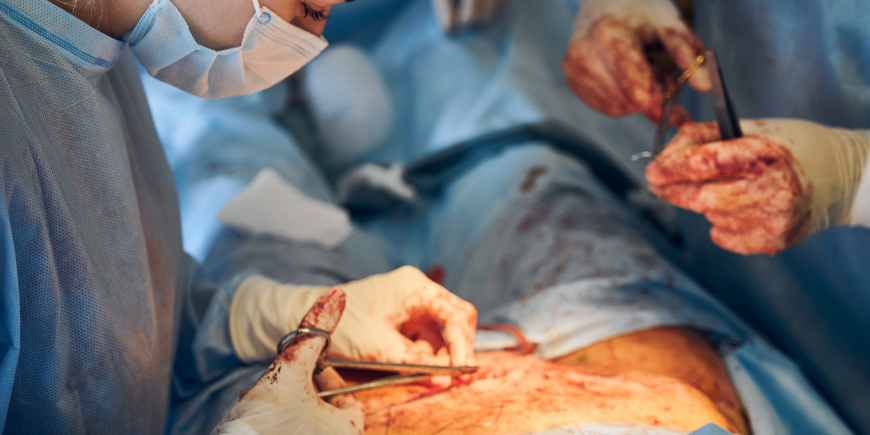
Hernia Surgery in Chennai for Safe Repair and Long-Term Relief from Hernia Conditions
A Surgical Approach Focused on Strengthening Abdominal Support and Preventing Recurrence
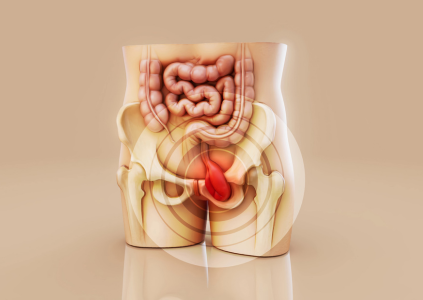
In my practice, hernia is one of the most common conditions I evaluate, yet many patients delay treatment until discomfort begins to interfere with daily activities. A hernia develops when an internal organ or tissue pushes through a weakened area in the abdominal wall, often appearing as a visible bulge. While it may initially seem manageable, the condition does not resolve on its own and can gradually worsen over time. As a Hernia Specialist in Chennai, my focus is on identifying the type and severity of the hernia and providing a treatment approach that ensures both effective repair and long-term strength.
Modern hernia care has evolved significantly, allowing surgical repair to be performed with improved precision and reduced recovery time. I use advanced techniques, including laparoscopic and mesh-based repairs, to reinforce the weakened area and prevent recurrence. The goal is not only to correct the defect but also to restore normal function and reduce the chances of future complications.
What I Focus on in Hernia Management
-
Accurate identification of hernia type and location
-
Assessing the extent of abdominal wall weakness
-
Choosing the safest and most effective repair method
-
Strengthening the affected area to prevent recurrence
-
Minimizing recovery time with advanced techniques
-
Supporting long-term physical comfort and function
How Hernias Develop and Why They Progress Over Time
A hernia typically develops when there is a combination of muscle weakness and increased pressure within the abdomen. Everyday activities such as lifting heavy objects, chronic coughing, or straining during bowel movements can gradually contribute to the formation of a hernia. Once formed, the weakness remains, and the hernia tends to increase in size over time.
From a clinical perspective, hernias do not heal naturally because the structural defect in the muscle wall persists. In many cases, patients may ignore early symptoms, but as the condition progresses, it can lead to discomfort, pain, and complications such as obstruction or strangulation. Understanding how hernias develop helps in planning timely surgical intervention.
Common Factors That Contribute to Hernia Formation
-
Weakness in abdominal muscles
-
Heavy lifting or physical strain
-
Chronic cough or respiratory issues
-
Constipation and repeated straining
-
Obesity and increased abdominal pressure
-
Previous surgical incisions
Early Physical Changes That Should Not Be Ignored
In the initial stages, a hernia may present as a small swelling or bulge that appears during activity and disappears when lying down. Many patients overlook these early signs, assuming they are temporary. However, these changes are often the first indication of a structural weakness that requires evaluation.
Early detection allows for planned treatment before complications arise. In my approach, identifying the condition at this stage helps in performing less complex procedures with better recovery outcomes.
Early Signs of Hernia
-
Visible bulge in the abdomen or groin
-
Discomfort during lifting or movement
-
Swelling that reduces when lying down
-
Mild pain or heaviness in the affected area
-
Pressure sensation in the abdomen
-
Occasional discomfort during physical activity
Indicators That Suggest a Hernia Requires Immediate Attention
As the hernia progresses, symptoms may become more persistent and uncomfortable. At this stage, the risk of complications increases, and timely medical evaluation becomes essential. Ignoring advanced symptoms can lead to serious conditions that require emergency treatment.
As a Hernia Surgeries Doctor in Chennai, I recommend immediate consultation when symptoms begin to affect daily life or show signs of worsening.
Warning Signs That Need Urgent Care
-
Increasing size of the bulge
-
Persistent or severe pain
-
Swelling that does not reduce
-
Nausea or digestive discomfort
-
Difficulty in movement or activity
-
Sudden pain with firmness in the swelling
Mapping Different Hernia Types to the Right Surgical Approach
A key step in hernia care is identifying the exact type and location of the defect. Not all hernias behave the same way, and the surgical approach varies depending on where the weakness occurs and how extensive it is. In my clinical assessment, I carefully evaluate the anatomical location and characteristics of the hernia before planning treatment.
The most common type I see is inguinal hernia, but other forms, such as umbilical, incisional, and femoral hernias, also require attention. Each type presents differently and requires a specific repair strategy to ensure effective closure and long-term strength.
Common Hernia Types I Diagnose
-
Inguinal hernia in the groin region
-
Umbilical hernia near the navel
-
Incisional hernia at previous surgery sites
-
Femoral hernia in the upper thigh region
-
Hiatal hernia affecting the diaphragm
-
Recurrent hernia after prior repair
Choosing the Right Surgical Method for Effective Repair
Hernia repair is primarily surgical, but the choice of technique depends on several factors including the size of the hernia, patient condition, and previous medical history. I evaluate each case carefully to determine whether an open or laparoscopic approach would provide the best outcome.
Laparoscopic hernia surgery has become increasingly preferred due to smaller incisions and faster recovery, while open surgery may be recommended in certain complex cases. The objective is always to ensure strong repair with minimal risk of recurrence.
Surgical Options I Consider
-
Open hernia repair for large or complex cases
-
Laparoscopic hernia surgery for faster recovery
-
Mesh-based repair to strengthen the abdominal wall
-
Minimally invasive techniques for precision
-
Recurrent hernia repair strategies
-
Combined procedures when required
Advancements in Hernia Surgery That Improve Patient Outcomes
Modern surgical advancements have significantly improved the safety and effectiveness of hernia repair. Techniques such as laparoscopic surgery and advanced mesh placement allow precise correction of the defect while minimizing tissue damage.
In my practice, I focus on using these advancements to ensure better patient comfort and faster recovery. These methods also help reduce complications and improve long-term success rates.
Benefits of Advanced Hernia Surgery Techniques
-
Smaller incisions and minimal scarring
-
Reduced post-surgical pain
-
Faster recovery and return to routine
-
Lower risk of infection
-
Stronger and more durable repair
-
Improved long-term outcomes
Step-by-Step Clinical Pathway for Hernia Surgery
A well-structured treatment pathway ensures clarity and confidence for patients undergoing hernia surgery. I follow a systematic process that begins with accurate diagnosis and continues through careful planning, surgical execution, and recovery monitoring.
Each stage is designed to ensure safety, effectiveness, and long-term success of the repair.
Treatment Process Overview
| Stage | What I Do | Patient Benefit |
|---|---|---|
| Initial Consultation | Assess symptoms and physical findings | Clear understanding of condition |
| Diagnostic Evaluation | Imaging and clinical confirmation | Accurate diagnosis of hernia type |
| Treatment Planning | Decide surgical method | Personalized approach |
| Surgical Procedure | Perform repair using chosen technique | Effective correction of defect |
| Recovery Monitoring | Guide healing and manage discomfort | Smooth recovery |
| Follow-Up | Ensure strength and prevent recurrence | Long-term stability |
What Strengthens This Treatment Approach
-
Accurate identification of hernia type
-
Selection of appropriate surgical technique
-
Use of advanced repair methods
-
Focus on patient safety and comfort
-
Continuous monitoring during recovery
-
Strong emphasis on preventing recurrence
Recovery Milestones After Hernia Repair Surgery
Recovery after hernia surgery varies depending on the type of procedure performed and the size of the hernia. In most cases, especially with laparoscopic techniques, patients experience a smoother recovery and can gradually return to daily activities within a short period. However, proper care during the healing phase is essential to ensure that the repair remains strong and stable.
In my approach, I guide patients through each stage of recovery, ensuring they understand what to expect and how to manage their activity levels. Healing involves gradual strengthening of the repaired area, and avoiding excessive strain during this period is critical to prevent recurrence.
Key Recovery Practices I Recommend
-
Gradual return to daily activities
-
Avoid heavy lifting during initial recovery
-
Follow prescribed medications
-
Maintain proper wound care
-
Support healing with a balanced diet
-
Attend scheduled follow-up visits
Why Timely Hernia Surgery Prevents Complications
Delaying hernia surgery can lead to an increase in the size of the defect and a higher risk of complications. While some hernias may initially appear manageable, they tend to progress over time and may eventually require more complex surgical intervention.
From a clinical standpoint, early surgical repair allows for simpler procedures and better outcomes. It also reduces the risk of complications such as obstruction or strangulation, which may require emergency treatment.
Advantages of Early Surgical Intervention
-
Prevents enlargement of the hernia
-
Reduces risk of emergency complications
-
Enables minimally invasive repair
-
Shortens recovery time
-
Improves surgical success rate
-
Enhances long-term stability
How I Decide the Most Appropriate Surgical Plan
Choosing the right surgical approach is a critical part of hernia management. Not every patient requires the same technique, and careful evaluation is necessary to determine the safest and most effective method.
I assess factors such as the type of hernia, its size, the patient's lifestyle, and overall health before recommending a treatment plan. This ensures that the repair is durable and tailored to the individual's needs.
Factors That Guide My Surgical Planning
-
Type and location of the hernia
-
Size and severity of the defect
-
Previous surgical history
-
Patient's physical activity level
-
Overall health and risk factors
-
Likelihood of recurrence
Maintaining Surgical Safety and Long-Term Strength of Repair
Safety and precision are essential in hernia surgery, as the goal is not only to repair the defect but also to ensure long-term durability. My approach focuses on performing surgery with accuracy while minimizing complications and supporting effective healing.
Advanced surgical techniques, combined with careful planning and follow-up care, help achieve reliable results. Clear patient guidance also plays a key role in ensuring that recovery is smooth and outcomes are long-lasting.
Safety Measures I Follow in Hernia Surgery
-
Detailed pre-surgical assessment
-
Use of advanced and reliable techniques
-
Strict sterilization and hygiene protocols
-
Continuous monitoring during surgery
-
Structured post-surgical care
-
Long-term follow-up to prevent recurrence
Moving Forward with Reliable Hernia Care for Long-Term Strength and Comfort
Hernia is a condition that can gradually affect both comfort and daily activity if not addressed at the right time. With accurate diagnosis and a well-planned surgical approach, it can be treated effectively and safely. In my practice, I focus on providing treatment that not only repairs the hernia but also restores strength to the affected area, allowing patients to return to their routine with confidence.
Modern surgical techniques have made hernia repair more precise and patient-friendly, enabling faster recovery and improved outcomes. As a Hernia Specialist in Chennai, my goal is to ensure that every patient receives care that leads to lasting relief, reduced risk of recurrence, and improved quality of life.
What You Should Keep in Mind
-
Early treatment helps avoid complications
-
Proper surgical planning ensures better outcomes
-
Advanced techniques improve the recovery experience
-
Post-surgical care supports long-term results
-
Lifestyle adjustments help prevent recurrence
-
Expert guidance ensures safe and effective care
Book Your Consultation for Hernia Surgery in Chennai
If you are experiencing symptoms such as swelling, discomfort, or pain related to a hernia, it is important to seek medical evaluation early. Timely treatment can help prevent complications and ensure a smoother recovery process.
I'm Dr. Karthikeyan Jayakumar, providing advanced hernia care at Hayagriva Hospital, Chennai. My approach focuses on accurate diagnosis, safe surgical repair, and long-term patient outcomes.
FAQs on Hernia Surgery in Chennai
1. When should I consider hernia surgery in Chennai?
You should consider surgery when you notice a persistent bulge, pain, or discomfort that increases over time or affects daily activities.
2. Is hernia surgery always necessary?
Hernias do not heal on their own, and surgery is the most effective way to repair the defect and prevent complications.
3. What is the recovery time after hernia surgery?
Recovery varies depending on the type of surgery, but many patients return to normal activities within a few weeks.
4. Is laparoscopic hernia surgery better than open surgery?
Laparoscopic surgery often offers faster recovery and less pain, but the choice depends on the type and complexity of the hernia.
5. Can a hernia come back after surgery?
Recurrence is possible but can be minimized with proper surgical technique and post-operative care.